The Difference Between IPv4 and IPv6
This blog post provides an overview of the difference between IPv4 and IPv6, outlining the pros and cons of each protocol. Whether you're a CIO looking to make networking decisions or someone who just wants to learn more about internet protocol, this blog post will give you a deeper understanding of the differences and what they mean for the future of the internet.
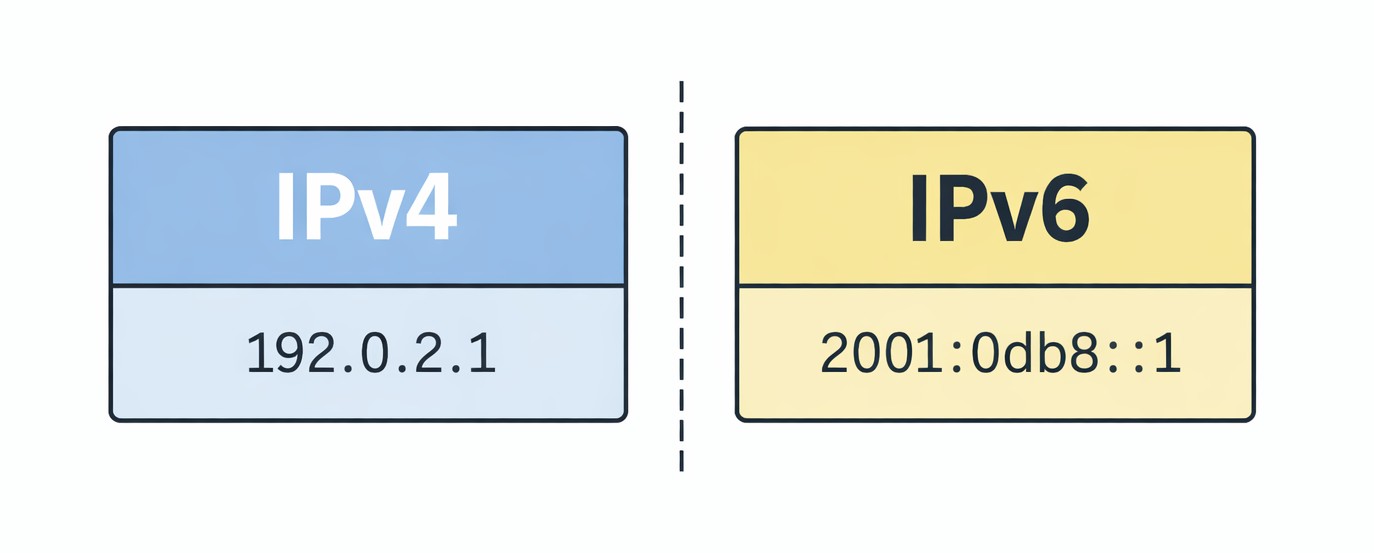
IPv4 addresses use a 32-bit format such as 192.0.2.1, while IPv6 uses a 128-bit format like 2001:0db8::1.
In the world of technology, connectivity has always been an essential aspect of daily life and business operations. Over the past decade, internet usage has skyrocketed, and with the increasing demand for data, IPv4 addresses, and their limitations have become a challenge. IPv6 was introduced as a potential solution, but is it ready to replace the aging IP standard protocol or are there better alternatives?
Version 4 addresses are a popular internet protocol that was developed back in the 1970s. These 32-bit IP addresses created a little under 4.3 billion unique addresses, which were distributed to networks all around the world. Unfortunately, v4 addresses' limitations became clear as the number of devices connected to the internet ballooned to over 25 billion. Additionally, the influx of IoT (Internet of Things) devices added to the pressure of the more limited earlier protocol addresses.
The Rise of IPv6
IPv6 was developed to replace v4 and was launched in 1995 intending to solve the IPv4 problem and create a more significant number of network addresses. It adopted 128-bit IP addresses, which helps to create multiple trillions of more unique IP addresses than what was able to accommodate.
One of the significant benefits of v6 is its ability to handle the growing number of IoT devices, which are becoming more and more connected daily. It is more efficient when it comes to the number of addresses it offers, and it provides a flexible structure when creating subnets. Additionally, the newer protocol has built-in security features such as IPsec, which improves data transmission security.
However, transitioning is not without its challenges. Establishing a duo generational network is the first challenge, as this is required before the full adoption. Next, organizations need to consider the financial implications of infrastructure upgrades that allow the two protocols to operate. Finally, concerns around network security and the difficulty of optimizing and monitoring the difference between IPv4 and IPv6 add complexities to the transitional approach.